
PKI that ships with the car and lives 20 years.
Connected vehicles, V2X, and OTA updates need certificates that survive a two-decade lifecycle. TigerTrust delivers automotive-grade PKI aligned to ISO 21434, UNECE WP.29 R155/R156, IEEE 1609.2, and SAE J3101.
Every ECU is an attack surface. Every OTA is a supply chain.
A modern vehicle ships with 100+ ECUs, dozens of V2X pseudonymous certificates, and a 20-year OTA update window. Manual PKI processes designed for corporate laptops break the moment the first cellular gateway ships.
- Shared keys across ECUs mean one dumped firmware unlocks the fleet
- V2X pseudonym rotation stalls without SCMS automation — vehicles fall out of trust
- Unsigned or replay-vulnerable OTA updates risk bricking cars and safety recalls
- Suppliers, OEMs, and dealers each keep their own key stores — no lineage, no audit
- ISO 21434 and UNECE R155 findings block new-model type approval in the EU
- Per-ECU identities issued from HSM-backed sub-CAs — no key sharing across the vehicle
- IEEE 1609.2 / ETSI ITS SCMS with automated pseudonym rotation at scale
- Signed OTA firmware with rollback protection and per-image verification
- Full VIN-linked audit trail across supplier, OEM, and dealer boundaries
- Reports mapped to ISO 21434 clauses and UNECE R155/R156 CSMS/SUMS controls
Pseudonym certificates at fleet scale
A complete Security Credential Management System for C-V2X: issue pseudonym batches, rotate on schedule, and revoke misbehaving devices without impacting the rest of the fleet.
- IEEE 1609.2 and ETSI TS 102 941 certificate formats
- Pseudonym batching with configurable rotation windows
- Misbehaviour authority hooks for revocation input
- Regional CA hierarchies for cross-border deployments

Signed firmware, rollback-protected
Every ECU image is signed by an HSM-backed key with per-target policies. Verified boot enforces version monotonicity so a rolled-back firmware cannot re-open a patched CVE.
- Uptane-compatible signing workflow
- Per-ECU code signing keys, no shared secrets
- Rollback and downgrade protection built in
- Air-gapped signing ceremony for root images
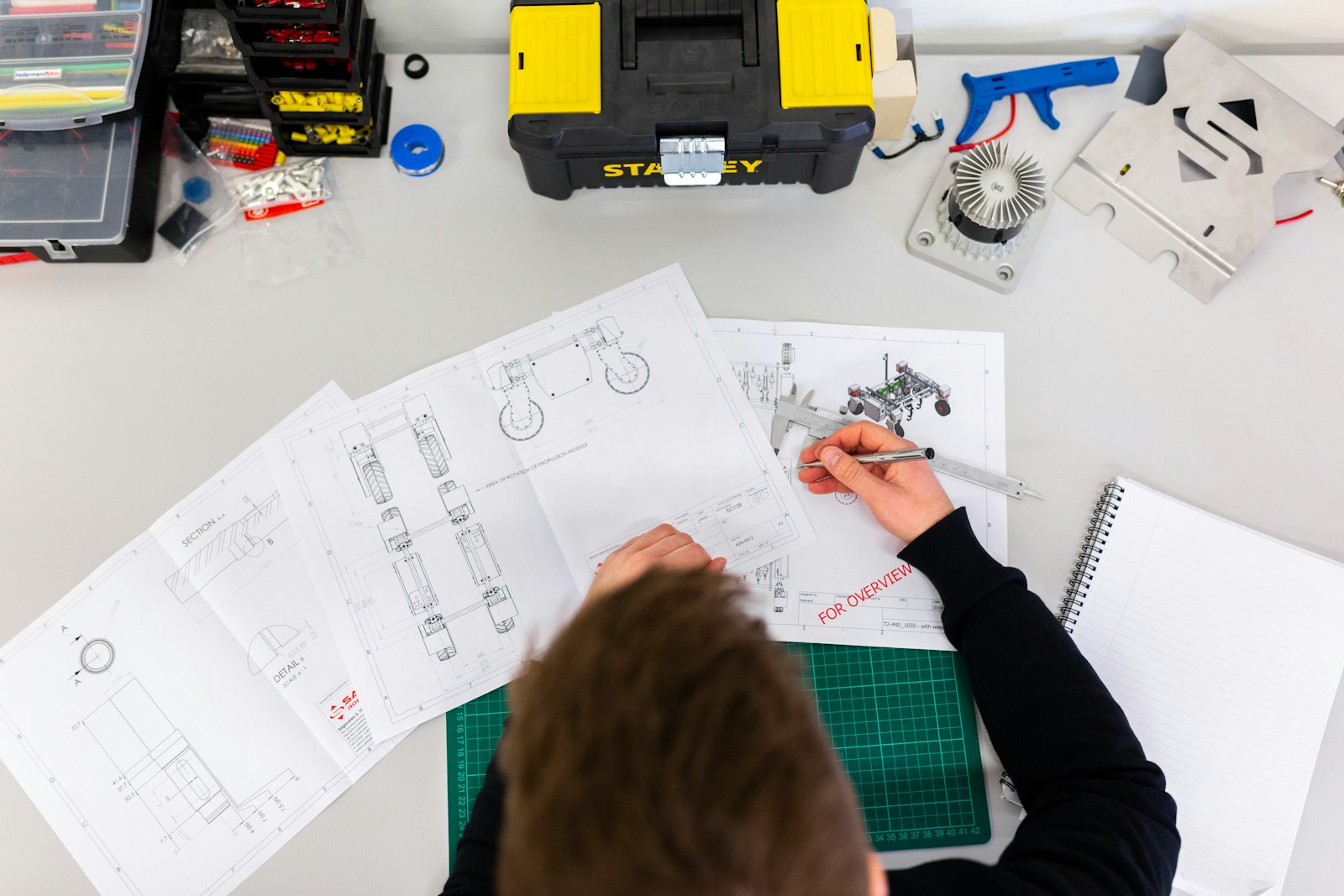
Hardware-anchored ECU authentication
Each ECU gets a unique identity minted from its secure element or HSM. VIN-linked certificates flow from Tier-2 supplier through OEM assembly with a full chain of custody.
- SAE J3101 hardware-protected key storage
- VIN-bound leaf certificates
- Supplier-to-OEM chain of custody
- In-vehicle network authentication (CAN, Automotive Ethernet)

20-year certificate lifecycle management
Vehicles outlive most PKI vendors. TigerTrust plans for algorithm agility, root ceremony rotation, and post-quantum migration across the vehicle service life.
- Crypto-agile issuance (RSA, ECDSA, PQC-ready)
- Scheduled root and sub-CA rotation without fleet disruption
- Field re-issuance without dealer visit
- Long-tail support for legacy protocols
The automotive PKI stack, assembled.
From tier-supplier factory floors to the dealer bay and every kilometre on the road, one platform issues, monitors, and revokes.
- ETSI ITS compatible
- Pseudonym batching
- Misbehaviour hooks
- Uptane-compatible
- Per-target keys
- Rollback protection
- CSMS artefacts
- SUMS artefacts
- Type approval reports
- Per-ECU keys
- HSM anchored
- Supplier lineage
- Bulk provisioning
- Regional CAs
- Sub-minute revocation
- Time-boxed access
- Signed diagnostics
- Audit trail
From production deployments
Zero cybersecurity findings at UNECE R155 type approval.
“The auditor asked for CSMS evidence covering three model years. We generated the pack in minutes, mapped clause by clause. That used to be a six-week project.”
Fits your existing stack
HSMs, secure elements, and toolchains the automotive supply chain already runs on.
Frequently asked questions
Keep exploring
TPM Attestation
Hardware-rooted identity for ECUs and gateways.
TPM-attested IoT
PCR-gated certificate issuance for connected fleets.
Compliance & Regulatory
Framework mapping across ISO 21434, R155, and more.
TPM attestation deep dive
How hardware-rooted identity gates certificate issuance.